6/26/2012

Tzatziki Inspired by Ina Garten


Taskim Square, Istanbul, Turkey (PHOTO:RLW)

Tzatziki or tzadziki (Greek: τζατζίκι [dzaˈdzici] or [dʒaˈdʒici]; Turkish: cacık [dʒaˈdʒɯk]; /zæˈdziːkiː/ Albanian: xaxiq; Persian: ماست و خیار) is a Greek and Turkish meze or appetizer, also used as a sauce for souvlaki and gyros. In both Greece and Turkey we have had this dish served to us – always cold - as an accompaniment. This is a knockout served with rotisserie-roasted boneless leg of lamb.

             This version originates with the Barefoot Contessa - Ina Garten’s “Parties” cookbook. Her recipe calls for straining plain yogurt to make it thicker. I recommend finding a good Greek market that has homemade yogurt. It will be very thick and then you can skip this step. Chobani works as well. Use seedless cucumbers and a mandolin and shred them first into a strainer – then they will be ready at the end to throw into the sauce.

1          pound (1 pint) Greek yogurt (whole milk or low fat)
1          seedless cucumber, unpeeled and seeded
1          tablespoon plus ½ teaspoon kosher salt
½         cup sour cream
1          tablespoon Champagne vinegar or white wine vinegar
2          tablespoons freshly squeezed lemon juice (1 lemon)
1          tablespoon good olive oil
1 ½      teaspoons minced garlic
1 ½      teaspoons minced fresh dill
             Pinch freshly ground black pepper

Preparations:
Put the Greek yogurt in a bowl. Squeeze as much liquid from the cucumber as you can and add the cucumber to the yogurt. Mix in the sour cream, vinegar, lemon juice, olive oil, garlic, dill, 1/2 teaspoon salt, and pepper. Mix thoroughly with a whisk and a strong arm. You can serve it immediately, but it is better to put the tzatziki in the refrigerator for a few hours for the flavors to blend. I like it chilled a as counterpoint to roasted lamb. 

6/19/2012

When French Women Cook

Bistro Seafood on the Champs-Élysées (PHOTO:RLW)

The famous French cook Madeleine Kamman wrote the most charming memoir published in 1976 (Ten Speed Press) about her gastronomic childhood in France entitled "When French Women Cook." It is a series of remembrances of significant women in Madeline's life who happen to express the essence of the French method of cooking in each of the eight main culinary regions of France they lived in. It is an exceptional journey through what cooking once was - and what is should be about in spirit today.

Richard Wottrich, richard.wottrich@gmail.com

6/12/2012

Grill It - Roast It


Jetta in the herb garden waiting for meat

I have been grilling meat all my life, which is to say that I slap the meat on the grill and cook it until done. There are nuances to this process to be sure, but that’s really all there is. The problem with this approach is that you typically end up with a charred exterior and a dry interior unless you hit just the right combination of grill heat and time on the grill. The image is of a man before a grill, with a water squirt bottle in his hand, waiting to put out flare-ups. Experience counts, but the odds aren't great.

Roasting on the other hand is a more forgiving method. Whether you are roasting a seven pound capon for 90 minutes, or slow cooking pork shoulder for three hours, the process allows some margin for error. Usually you sear the meat briefly before roasting, so the exterior has a passing reference to its grilled cousins.

Recently a Costco label on a package of St. Louis dry rubbed spicy ribs caused me to combine the two. I know – what a come down – taking cooking lessons from a computer-generated Big Box label. But what did I have to lose - $10?

The label called for grilling the ribs for 8-10 minutes a side, and then roasting them over indirect heat for another hour and a half. Simple enough. So instead of trying to second guess these instructions with my 20 years of cooking experience, I just did it. I directly grilled the ribs and then onto a rack in a roasting pan they went over indirect 500-degree heat. Unbelievable! The ribs were fantastic!

The short grill time seared the juices inside and developed just enough ‘char’ or ‘umami’ to satisfy the taste buds. The roasting produced moist succulent meat that stayed on the bones with a slight tenacity to satisfy our carnivorous urge to rip them apart.

Next I tried chicken breasts on the bone, skin on, as an acid test. This is a grilling oxymoron, as we want crisp crinkly skin, but moist succulent meat. On a grill you usually get one or the other. I seared the chicken breasts for five minutes a side on a very hot open grill. Then I put the breasts, meat side up, in a heavy cast iron pan and roasted them in the covered grill at the same temperature over indirect heat for another 20 minutes. Nirvana! Browned flavorful crispy chicken skin and the moistest chicken breast you could ever want.

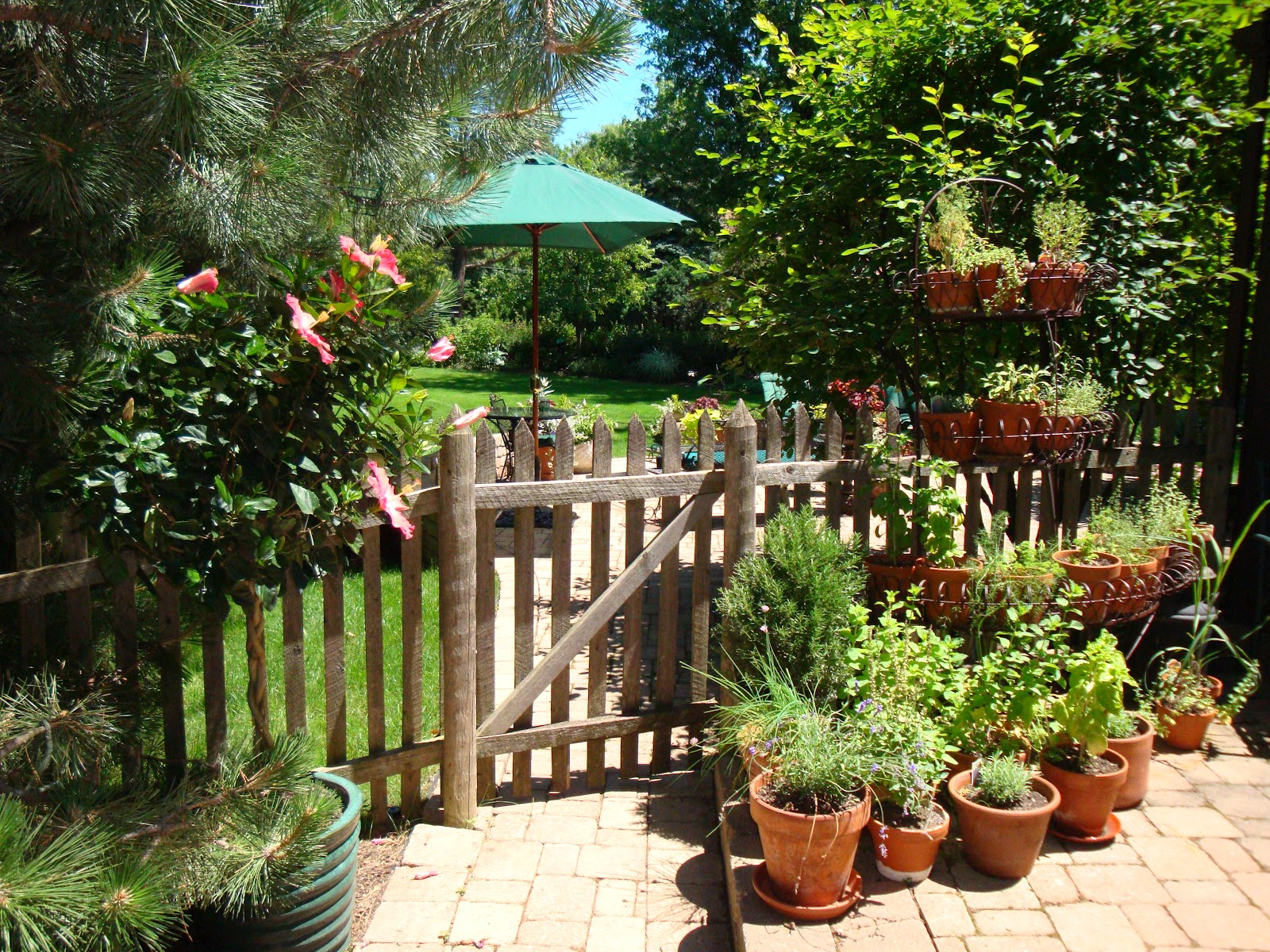
One last tip. I put in a potted herb garden right next to my grill every year – 38 pots this year – but that’s me. All you really need is rosemary, basil and parsley - and maybe oregano if you know what's good for you. When grilling I throw several rosemary branches onto the grill and cover it. In a few moments they ignite into an aromatic smoke that perfumes whatever meat you are cooking – it’s heaven. In the fall I cut the dead rosemary branches off and stuff them in a terra cotta pot and leave them until the next summer. The dead branches achieve the exact same result on the grill.

So next time – grill it – roast it.

5/27/2012

Pot au Feu


Japanese Turnips

Serves 4

The once-upon-a-time French state of mind known as of pot-au-feu, boiled meat and vegetables, seems so simple. Perhaps the iron cauldron, probably the original stockpot, or pot au feu, originally provided a perpetual broth fortified every day with whatever happened to be available – rarely cleaned out except for the meatless weeks of Lent.  

So it was that an 18th century cook started her day by mettre le pot au feu, putting a big stockpot over the fire.  The "King of Chefs” Marie Antoine Carême (1784–1833) suggested that the dish originated about the time of the French Revolution in 1789. Whatever its roots, today precious few cooks make the time to prepare it – as time is now measured in tweets, sound bites, and airport departures. There is no time for the consistency of pot au feu.

Pot au feu is all about the broth and it is not uncommon for a French recipe to call for the leftover broth as an ingredient in a totally separate dish. Carême said that by cooking the pot-au-feu slowly, “la ménagère a obtenu un bouillon savoureux et nutritive, et un bouilli tender et de bon goût,”— the [family] cook can obtain a tasty and nutritional soup and a piece of boiled beef that is tender and tasty.

To make a pot-au-feu at home you’ll need a large stockpot with a heavy bottom to evenly distribute the heat. Your stove must be capable of being regulated to very low levels. On some gas stoves, a heat deflector may be required.

Other required equipment includes a large spoon for skimming the surface of the liquid, a large slotted spoon for removing meat and vegetables from the pot, a strainer for straining the liquid, and a towel or piece of unbleached muslin for lining the strainer. Depending on the cut of meat, it may need to be trussed with string to hold it together. The usual assortment of knives, bowls, and measuring devices found around the kitchen will come into use.

Pot-au-feu is beef stew – choose cuts of meat that benefit from long cooking over low heat. This would include rump roast, top or bottom round, beef short ribs and shanks. There should be, by weight, about one part bones for each five parts meat. Your butcher will cut a couple of two-inch pieces of beef marrow bone for the pot.

The beautiful clear broth is achieved by a long slow simmer of the meat set on a bed of root vegetables. The process is to bring the stockpot of cold water slowly to a boil, carefully skimming the scum and fat that floats to the surface. As the pot au feu slowly reduces, add a little more cold water, bring to a simmer, skimming the surface again at least three times in three hours until the liquid is quite clear.

Once the liquid is clear, remove the meat and reserve. Discard the vegetables.  Wet the towel or muslin with cold water and line the bowl of the strainer. Place the strainer over a large bowl and pour the broth through the strainer. Return the broth and meat to a clean pot and add your choice of young tender spring root vegetables along with an onion studded with cloves.

Maintain the heat at a bare simmer. Test the vegetables for tenderness, and as they become cooked, remove them with a slotted spoon and set them aside. The time it takes to cook the vegetables will vary – I prefer tender spring root vegetables such as Japanese turnips. For a beautifully colored broth use one sliced Golden Beet or a Spanish onion with the skin left on.

Cook the meat until tender. The meat should cook a total of about three to five hours depending on the cuts. The meat should be very tender but still intact when it is cooked. It will shrink substantially during the cooking. When done, remove it from the stockpot with the slotted spoon and set it aside with the vegetables.

Once all the solid ingredients are removed from the broth, skim any remaining fat from the surface with the large spoon. Strain the broth a second time. The broth should now be very clear and any pieces of meat or vegetables that were in the broth, along with the cloves and peppercorns, should now be captured in the strainer. Season the broth with a pinch of sea salt to your taste. Less is more.

The broth from the pot-au-feu is customarily served as a first course before the meat and vegetables.  Toast a slice of banquette and spread with garlic. Put it in the bottom of a shallow soup bowl. Spoon the broth on top and serve. For the main course, use the hot broth to re-warm the thinly sliced meat and vegetables. I serve pot-au-feu with a few Cornichons and course brown mustard or horseradish.  Choose a bright Chablis. Enjoy the your pot-au-feu – the very essence of time well spent.

Ingredients – Initial simmer
2              medium leeks, trimmed, cleaned and halved
2              carrots, peeled and halved crosswise
2              stalks celery, halved crosswise
1              bulb fennel, sliced thickly
1              large Spanish onion, skin, studded with 4 cloves
2              pounds boneless rump roast or top or bottom round, trussed with string
2              beef shanks, about two-inches thick
4              beef short ribs
2              beef marrow bone sections, two-inches thick
1              bouquet garni (rosemary, thyme, oregano, lavender or as you prefer)
1              tablespoon coarse sea salt
1                     teaspoon black peppercorns

Ingredients – Second simmer
2              bay leaves
6              small turnips, peeled and halved
2              new carrots, sliced on the bias
2              medium turnips, peeled and cut into eighths
1              Golden beet, sliced
1 ½          pounds small new potatoes, halved

Accoutrements
8              slices French banquette, plus additional for passing with marrow bones
2              cloves garlic, peeled and smashed
 Coarse sea salt
 Cornichons
 Pickled onions
 Grated horseradish
 Dijon mustard
 Whole grain mustard

Preparation:
In a large stockpot make a bed of the leeks, carrot, celery, fennel and onion studded with cloves. Tie each piece of meat individually to hold its shape during the long cooking time, and place on top of the vegetables. Add 2 marrowbones to the pot, tucking them between the meat, and the bouquet garni, salt and peppercorns. Add enough water to cover and bring to a boil over high heat. Reduce the heat and simmer partially covered for 3 hours, adding water as required and skimming any foam which forms on the top.

Wet a towel or muslin with cold water and line the bowl of the strainer. Place the strainer over a large bowl and pour the broth through the strainer. Return the broth and meat to a clean pot and add your choice of young tender spring root vegetables. Add the bay leaves. Bring the broth to a simmer and cook, partially covered, for another hour or as required. Remove vegetables with a slotted spoon as they are cooked.

Remove the meat from the broth and discard the trussing strings. Carefully remove the remaining vegetables from the broth, place them on a large serving platter, and moisten with some broth. Cover and keep warm.

Strain the broth and discard any remaining vegetables. Carve the meat and place on the serving platter with the vegetables. Cover and keep warm.

Rub the toasted banquette  with garlic and place in the bottom of four shallow soup bowls. Pour equal amounts of broth over the banquette and serve as a first course. Pass the marrowbones at the table and serve with additional toast for spreading the marrow. Serve the meat and vegetables as a main course with desired condiments. Spoon additional hot broth on the meat and vegetables just prior to serving.

4/23/2012

Flank Steak au Poivre with Mustard Caper Sauce


Serves 4


             The classic French bistro Filet of Beef au Poivre is an expensive luxury calling for filet mignon. For my money a good flank steak cuts the cost in half and doubles the flavor. The “au poivre” simply means to bring the steak “to the pepper.” The classic bistro sauce is coarsely ground black pepper, butter, olive oil, shallots, beef broth or beef demi-glace and a splash of Cognac or brandy deglazed in the pan the steak was cooked in. You need this classic sauce as the flavor enhancer for a cut of beef without much marbling.

             A great flank steak however is best prepared on a super hot grill. I run my gas grill up to 650 degrees and then sear the steak at 5 minutes a side, letting it rest for 10 minutes (medium rare depending upon thickness) while I prepare this au poivre mustard caper sauce.
            
                                          1.5             pound flank steak

                                          Marinade                   
                                          4                 cups of water
                                          2                 tablespoons of soy sauce
                                          2                 tablespoons of red wine
                                          2                 slices of lemon                                        
                                          3                 sprigs of fresh rosemary
                                          3                 bay leaves
                                          1                 teaspoon of red pepper flakes
                                                             Salt and ground pepper

                                          au poivre mustard caper sauce
                                          1                 tablespoon unsalted butter
                                          1                 tablespoon olive oil
                                          1                 tablespoon Dijon mustard
                                          2                 medium shallots, peeled and minced
                                          1                 cup beef stock
                                          1                 teaspoon corn starch
                                          ½                cup red wine
                                          2                 tablespoons drained capers
                                          1                 teaspoon freshly squeezed lemon juice
                                          2                 tablespoons coarsely ground black pepper
                                          1                 tablespoon minced fresh parsley
                                                             juice from resting flank steak

Preparation:  1. Put the water, soy sauce, red wine, lemon, rosemary, bay leaves, pepper flakes, salt and pepper in a shallow dish and submerge the flank steak. Cover and refrigerate for at least four hours.  2. Heat your broiler or outside grill to its highest possible temperature.  3. Remove the steak and pat dry. Spray the steak with Pam or evenly coat it with olive oil. (If the steak is thicker than ½-inch, make shallow cuts against the grain every one inch to stop curling when cooking.)   Coat liberally with salt and coarsely ground black pepper.  4. Grill at high heat for five minutes a side, or until just red to pink inside. Let the steak rest in a shallow dinner plate while you make the sauce, to collect its run off juices.

Sauce:  au poivre mustard caper sauce
1. In a medium pan on high heat sauté the shallots in the butter and olive until translucent – about five minutes. 2.  Add the mustard and whisk smooth.  3. In a small bowl whisk the corn starch into the beef stock. Pour the mixture into the pan and whisk smooth.  4. Add the capers, lemon juice, black pepper, salt to taste and minced parsley.  5. Whisk the sauce and as it thickens pour in the accumulated juice from the resting steak and add the red wine until the desired consistency is achieved.

Presentation: Slice the flank steak very thinly on a slant against the grain. Serve with the sauce as you wish. 

4/20/2012

Trader Joe's Dark Chocolate Caramel with Sea Salt

Flat out, hands down, pedal to the metal - the best chocolate bar I have ever tasted in my life!


The Caramel & Black Hawaiian Sea Salt bar is filled with a buttery, burnt sugar caramel & Hiwa Kai, a blend of sea salt and volcanic charcoal harvested from pristine Hawaiian tide pools. The exterior of the bar is garnished with Maldon sea salt harvested from estuaries in Great Britain. The combination of luscious dark chocolate, rich caramel and crunchy salt crystals is simply sublime.


Trader Joe's Dark Chocolate Caramel with Sea Salt

4/13/2012

Joan Wottrich's Lamb, Golden Raisins and Rice


Sheep Herd, Col du Bonhomme, Tour du Mont Blanc


             In the 1950s my mom used to take leftover lamb and make this almost Moroccan-like raisin and rice dish. I remember liking it at the time, unless I got a piece of lamb fat that my dad insisted not be wasted. So I decided to modernize the recipe and try to recapture my mom’s frugality and ingenuity.

             The premise is that you have roasted a boneless leg of lamb previously and have leftovers:

                                          2                 cups brown rice                      
                                          1                 pound of cooked lamb, trimmed of fat and sliced into bite-sized strips
                                          2                 cups golden raisins
                                          3                 tablespoons olive oil
                                          1                 medium onion, peeled and chopped coarsely
                                          2                 cups lamb gravy from your roast
                                          1                 cup chopped parsley
                                          1                 teaspoon ground cinnamon
                                          ½                teaspoon ground allspice
                                          ½                teaspoon ground cloves
                                          ½                teaspoon orange zest
                                          1                 juice from one orange
                                          1                 cup of the white wine you are drinking, or chicken stock, as needed
                                                             Salt and freshly ground pepper to taste

Preparation:  1. Cook the brown rice according to directions, or cook it in a rice cooker and hold for serving.  2. In a large fry pan heat the olive oil and sauté the onions until they just start caramelizing.  3. Add the lamb and lamb gravy and sauté for five minutes to heat the meat through.  4. Add the spices, parsley, orange zest, orange juice and salt and pepper and stir until well mixed. Add a splash of white wine or chicken stock if the sauce is too thick.

Presentation:  Put a couple of spoonfuls of the brown rice in the center of the plate and ladle the lamb onto the rice. Serve with fresh toasted bread, a glass of wine and a crisp side salad.

Variations:  If you did not make lamb gravy, use a package of gravy starter, or a packet of Lipton’s Onion soup to start the gravy. Soak the golden raisins in port, Madeira, or red wine for 10 minutes to add a little depth to the flavor.

Enjoy!

Richard Wottrich

3/20/2012

Steamed Golden Beet Composed Salad


Pa Pa's Herb Garden

Serves 4

                The golden beet is a plant in the Chenopodiaceae family, which includes spinach, chard, and quinoa. Beets (Beta vulgaris) are highly nutritious and bolster “cardiovascular health.” Beets’ unique pigment antioxidants in the root as well as in its top greens provide protection against coronary artery disease and stroke, lower cholesterol levels, and have anti-aging effects. Beets of all types are best if roasted or steamed. This recipe steams the golden beet to highlight its subtle earthy taste.

                1              head pristine Boston lettuce
                2              medium Golden beets
                4              radishes
                ½             white onion
                8              white button mushrooms
                Dressing
                ½             orange, juiced
                1              tablespoon beet greens water
                2              tablespoons red wine vinegar
                2              tablespoons olive oil
                2              tablespoons Greek yogurt
                3              tablespoons crumbled blue cheese
                                Kosher salt and ground pepper to taste

Preparation: 
1.  Peel and very thinly slice the golden beets with a mandoline slicer. Place the slices in a steamer and put a handful of washed beet greens into the water. Steam the slices until fork tender. Reserve one tablespoon of the beet greens water. Immediately submerge the beet slices in cold water with a slice of lemon and splash of rice vinegar.  2. Select pristine radishes, red or otherwise. I like Chinese black radishes. Thinly slice with the mandolin. Submerge in water with lemon and vinegar.   3. Thinly slice the onion and submerge in water with lemon and vinegar.  4. Clean, wash and dry the Boston lettuce. Make a long whole leaf bed on four oblong salad plates. Press down to make the arrangement somewhat flat.  5. Drain the vegetables – Place an overlapping line of beet slices down the center of the lettuce; place an overlapping line of smaller radish slices on top of the beets; scatter the onion slices on top of the radishes; thinly slice the button mushrooms and place an overlapping  line of raw slices as the final layer.

Dressing:
Put the orange juice, beet water, red wine vinegar, Greek yogurt and crumbled blue cheese in a bowl and mix well with a whisk until creamy. Slowly drizzle in the olive oil while briskly whisking, until emulsified.  Add kosher salt to your taste.

Presentation:
Drizzle the dressing along the line of vegetables. Grind a generous portion of pepper on top. Serve with entrée, fresh toasted bread and a crisp white wine. 

3/03/2012

The Impossible Cheeseburger


By Richard L. Wottrich, richard.wottrich@gmail.com

Scientific American recently opined about the “impracticality” of a cheeseburger, referring to the “industrialized” global food industry making something that is seemingly natural into a factory-produced commodity.

I remember a time when you could visit your small neighborhood butcher and buy ground beef from a single animal. A local dairy provided cheese made from milk bought from a local dairy farm. The farmers market would have onions, lettuce and vine ripened tomatoes in season. The local bakery would have some hamburger buns hot from the oven. At just the right time of the summer these local ingredients came together and you could grill a cheeseburger. It was a special treat.

Today fast food outlets and globalized commodities have turned the cheeseburger into an advertising platform for empty calories. Ground beef comes from massive factory farms that floor plan over 70% of the meat in supermarkets nationally.  One burger can contain meat from over 50 animals. Cheese is overproduced and held in storage for years by the Dairy Industry, the most heavily subsidized food product in America. The onion, lettuce and tomatoes are produced out of season and shipped thousands of miles to be turned into toppings.

The price tags for the industrialized cheeseburger include:

Genetically modified crops that can stand shipping
Incredible overuse of water sources
Concentrated farming techniques that strain local environments
Fertilizer run off and resulting ocean “dead zones”
Carbon footprint of global overnight shipping of commodities
Deforestation
Nitrogen loading of water sources

This might be an acceptable price if it were improving the health and welfare of humanity. It is true that the explosion in food production has helped mitigate starvation worldwide, but malnutrition remains rampant. In wealthy countries obesity is at epidemic levels due to these “cheap” subsidized food stuffs. So we are left with an America that has over 45 million people receiving food stamps, while 100 million more are obese. Is this what we want?

Some estimates suggest that global food demand will double by 2050. The pressure to bring food to market will accelerate the industrialization of food commodities, subsidized for political reasons by various governments. Profit margins will be ever thinner and incentives to produce nutritionally valuable foods will lesson. This system will not be able to meet demand.

Local food sources supported by local buyers are part of the answer. Educating consumers about the nutritional value of foods will help them eat smarter and avoid empty calories. Removing tax subsidies for factory farms and commodities and replacing them with incentives for nutritionally valuable food sources would realign priorities and produce choices at market.

In short, think about what you are buying and feeding to your child or grandchild – act accordingly.


12/07/2011

The Goose, the Whole Goose, and Nothing But the Goose


Wiehnachtsgans (Viennese Christmas Goose)


SchiltzFoods, Inc. is America's largest goose farm. Established in 1944, Schiltz geese are raised free range in the natural rhythm of the geese. If you have never experienced a roasted goose you are in for a treat.

Weihnachtsgans (Viennese Christmas Goose)

The Goose:
Preheat oven to 425 degrees. Trim off goose wing tips, put into a small pot, and set aside. Prick skin all over with the tip of a paring knife. Rub bird, inside and out, with marjoram, thyme, and salt and pepper to taste. Stud apples and onions with cloves, and then stuff into cavity of bird. Tie legs together with kitchen twine. Heat oil in a large heavy roasting pan over medium-high heat. Add goose and cook until browned all over, about 15 minutes. Set goose aside. Drain off fat from pan into a medium bowl and set aside. Return pan to medium-high heat. Add wine and 1 cup water and cook, scraping browned its stuck to bottom of pan with a wooden spoon, for 2 minutes. Transfer goose, breast side up, to pan and roast until skin begins to get crisp, 35-45 minutes. Siphon off fat in pan with a bulb baster (add it to bowl with fat), leaving any pan juices in pan. Reduce oven temperature to 350 degrees and continue roasting goose until juices run clear when pricked and skin is brown and crisp, 35-50 minutes more, siphoning off fat from pan once or twice as it roasts. Meanwhile, add stock to pot with wing tips and simmer over medium heat for 30 minutes. Strain stock, discarding solids, and set aside.

The Apples:

Soak raisins in rum in a small bowl until plump, about 1 hour. Preheat oven to 350 degrees. Core apples, leaving bottoms intact, and put into a medium baking dish, hole side up. Drain raisins, then stuff into apple cavities and top each with a piece of butter. Add 1 cup water to dish, cover with foil, and bake until apples are soft but still intact, 45-50 minutes. Reduce oven temperature to 200 degrees and keep apples warm in oven.

The Dumplings:

Put potatoes into a large pot of salted water and boil over medium-high heat until soft, 25-30 minutes. Drain and set aside to let rest until just cool enough to handle. Meanwhile, bring a large pot of generously salted water to boil over high heat. Peel potatoes, then press through a potato ricer onto a clean surface. Gather potatoes while still warm into a mound and make a well in the center. Add 2 cups of the flour, eggs, butter, and 1 tbsp salt to well and gently knead bread dough until smooth, adding up to 4 tbsp more flour if dough is too tacky. Divide dough into 12 equal pieces. Lightly flour your hands and roll each piece of dough into a ball. Working in 2 batches, add dough balls to pot of water, reduce heat to medium, and gently simmer, stirring occasionally, until dumplings float and are cooked through 20-25 minutes. Transfer with a slotted spoon to a warm plate, cover with foil, and keep warm in oven with apples.

The Cabbage:

Heat 3 tbsp of the reserved goose fat (save remaining fat for another use) in a medium pot over medium-high heat. Add onions and cook, stirring often, until soft 4-5 minutes. Add cabbage and apples and cook for 3-4 minutes. Stir in wine, orange juice, cranberries, sugar, cinnamon, cloves, nutmeg, and salt and pepper to taste. Bring to a boil, reduce heat to medium-low, cover, and cook, stirring occasionally until cabbage is very soft, 35-45 minutes. Keep warm over lowest heat.

The Chestnuts

Melt butter in a large skillet over medium heat. Add chestnuts and cook until heated through, 2-3 minutes. Add cream and honey and cook, stirring occasionally, until sauce is thick and chestnuts are glazed, 4-5 minutes. Cover skillet and keep warm over lowest heat.

To Complete

Discard kitchen twine and apples and onions from cavity of goose. Put goose on a large serving platter and allow to rest 15-20 minutes. Meanwhile, drain fat from pan, then set pan on top of stove and heat over medium-high heat. Add reserved stock, scraping browned bits stuck to bottom of pan, and boil until reduced by one-quarter, about 15 minutes. Season to taste with salt and pepper, then strain gravy into a warm gravy boat.

To serve:

Fill goose cavity with warm chestnuts. Put cabbage next to goose on platter. Arrange apples and dumplings around goose. Moisten goose and cabbage with some of the gravy. Garnish dumplings with parsley. Serve gravy on the side.

11/28/2011

Graupensuppe (German Barley Soup)


Graupensuppe (German Barley Soup)

Fall is soup time and nothing quite hits the spot like a hardy barley soup. In Germany barley soup is an "Eintopf" - a one-pot meal. It uses the classic "Suppengrün" mixture (mirepoix) of leek, celery root and carrot, plus potatoes and bacon for substance. This recipe is adapted from Klaus Weiler, the chef at Weinhaus Weiler in Oberwesel, Germany. It appeared in the Saveur November 2011 issue on The Art of Soup.

INGREDIENTS


4 tablespoons unsalted butter
1 medium yellow onion, finely chopped
1 cup pearl barley

8 cups vegetable or chicken stock
½ cup white wine
½ cup finely chopped peeled russet potato
½ cup finely chopped carrot
½ cup finely chopped celery root
½ cup finely chopped leek

2 cups chopped Swiss chard
1 cup sliced button mushrooms
1 bay leaf
1 tsp. dried marjoram
2 German sausages, like bockwurst or bratwurst
Freshly grated nutmeg, to taste
Kosher salt and freshly ground black pepper, to taste
¼ cup thinly sliced flat-leaf parsley leaves

INSTRUCTIONS
Heat butter in a 6-qt. saucepan over medium-high heat; add onion, and cook, stirring, until soft, about 5 minutes. Add barley, and cook, stirring, until lightly toasted, about 5 minutes. Add stock, potato, carrot, celery root, leek, marjoram, Swiss chard, button mushrooms, bay leaf, whole sausages, and bacon, and cook, stirring occasionally, until sausages are tender, about 35 minutes. Remove sausages and bacon from saucepan, thinly slice sausages, and discard bacon. Season soup with nutmeg, salt, and pepper. To serve, ladle soup into 8 serving bowls, and garnish with parsley and sliced sausage.

Try to find ‘real’ German sausages – bockwurst or bratwurst – freshly made. The 100-year-entombed, cryrovac-packed silicon casing tubes offered in supermarkets just don’t make the cut. You should be able to easily ‘tear’ the sausage into chunks.